Healthy food access doesn’t look the same everywhere, and meeting people where they are is at the heart of The Food Trust’s work.
This spring, we were proud to partner with the Philadelphia Department of Prisons, Philadelphia Division of Reentry and Bennett Compost through the Orchard Compost Program, a 15-week program designed to help incarcerated persons build skills that support successful reentry into the community.
As part of the program, The Food Trust provides six weeks of nutrition education followed by three weeks of ServSafe food safety training, helping participants earn nationally recognized credentials and prepare for employment opportunities after release. Through our ongoing partnership with the Division of Reentry, participants can continue their education and receive case management support once they return home.
Recently, we had the opportunity to observe nutrition educator Wayne Williams in action during an “Inside Out” nutrition education lesson. Using familiar foods and practical strategies, Wayne demonstrated how small changes can make a big impact.

One example? A healthier version of “chi chi” — a popular prison meal traditionally made with ramen noodles, processed meats, chips, chili and cheese sauce, containing more than 1,300 calories and 5,000 mg of sodium. Our adapted recipe uses lower-sodium ingredients, fish and beans, all available from the prison commissary, to reduce the dish to about 670 calories and 2,000 mg of sodium — nearly cutting both calories and sodium in half.
But Wayne’s lessons go far beyond the skillet. Alongside nutrition education, he shares practical life skills and words of wisdom that resonate deeply with participants. As one participant reflected:
“Knowledge for knowledge’s sake isn’t as valuable as knowledge that leads to change.”
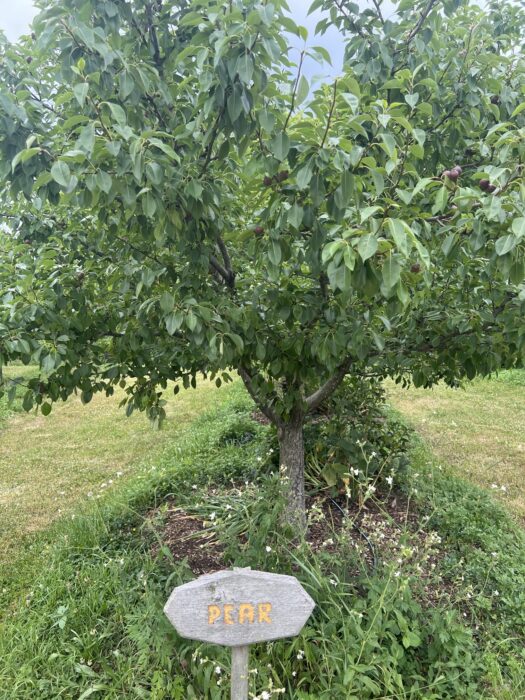
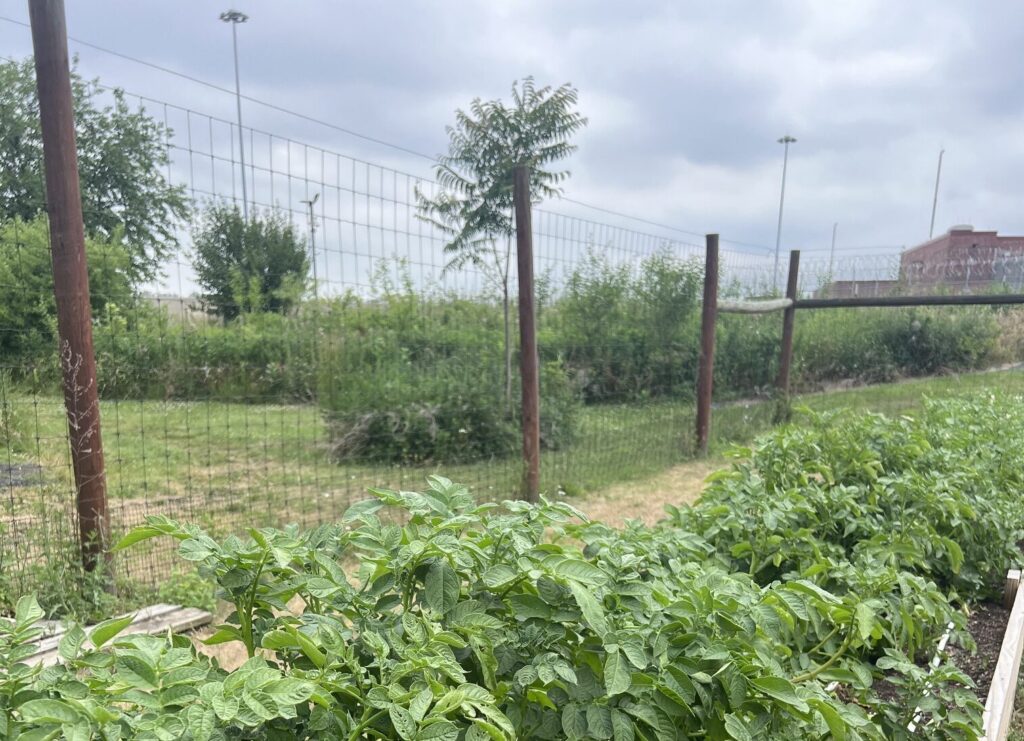
Six participants in this spring’s Orchard Compost Cohort are also caring for fruit trees, raised beds, and chickens alongside Orchard Compost staff—gaining hands-on experience and cultivating skills that will support healthier futures.
Because nutrition, education and opportunity are all essential ingredients for successful re-entry.